


[Market]

You already use ethanol. You just don't see it.

Same molecule. Different source of carbon.

Ethanol is already part of everyday life. It's blended into the petrol in our cars, used in household products and can be converted into sustainable aviation fuel.

The ethanol we're developing is chemically identical to conventional ethanol.
‍And as industries look for alternatives to fossil fuels, the market for qualifying low-carbon ethanol is growing.

In your tank

Ethanol is already blended into everyday petrol.

Filling a car with petrol, which is blended with ethanol

In your home

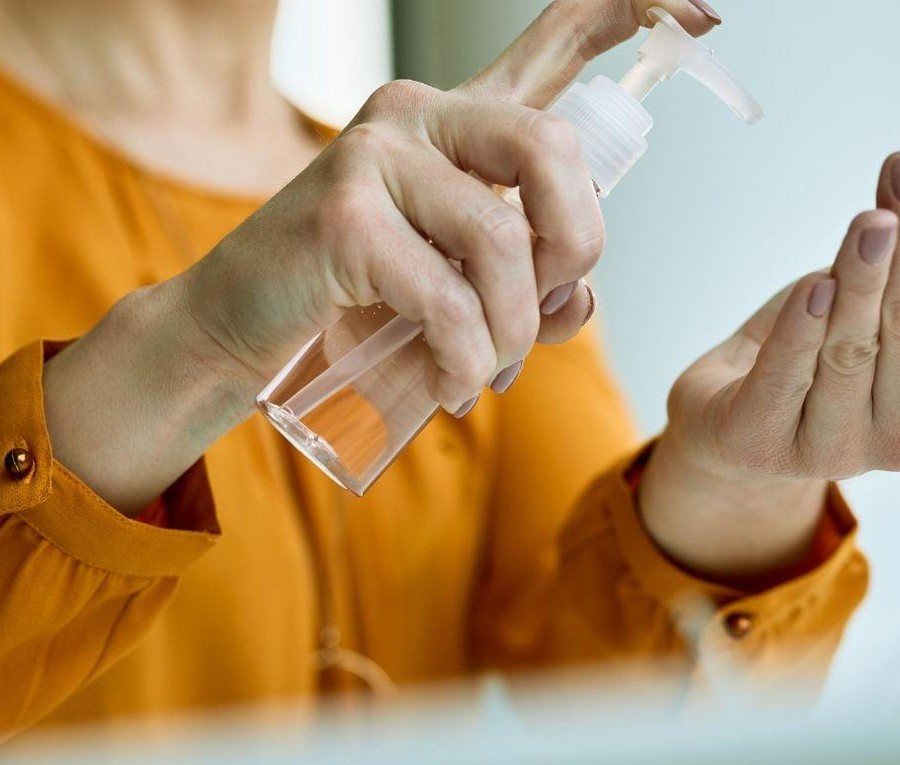
Used in cleaners, personal care products and chemicals.

Hand gel, one of many household products that contain ethanol

In the skies

Can be converted into sustainable aviation fuel.

Aircraft at an airport; ethanol can be upgraded into sustainable aviation fuel

A growing commercial opportunity

Low-carbon fuel regulations are creating demand for ethanol made from renewable hydrogen and captured carbon. Qualifying e-ethanol can command significant premiums over conventional ethanol, creating a new commercial opportunity for producers.
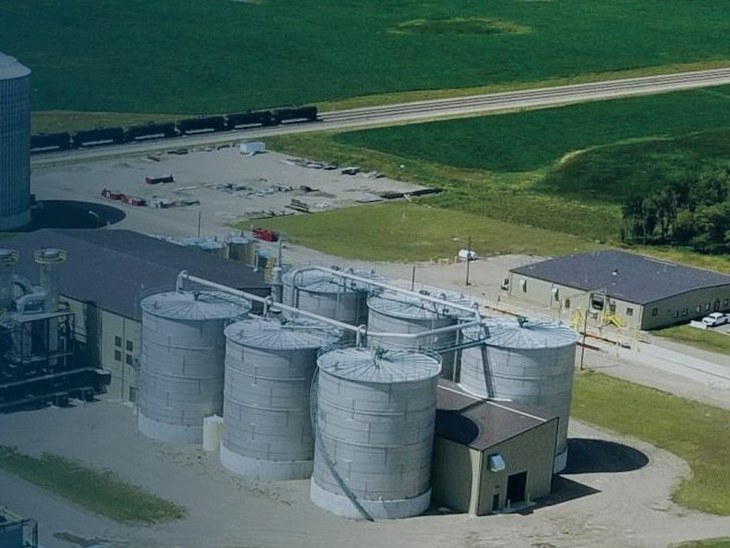
Aerial view of a bioethanol plant
Turning emissions into opportunity.
For many industries, carbon dioxide is a waste stream. We see a valuable resource.

Take a bioethanol plant. It already produces ethanol, but fermentation also releases CO₂. Our technology is being developed to convert that captured carbon into additional ethanol using renewable hydrogen.

For ethanol producers, that creates three potential benefits.
arrow rightarrow right
More to sell - Turn waste CO₂ into additional ethanol without requiring more agricultural feedstock for that extra production.
arrow rightarrow right
Worth more - Access emerging markets that reward qualifying low-carbon fuels.
arrow rightarrow right
Cleaner production - Reduce direct CO₂ releases while creating products that can replace fossil-derived alternatives.

Customers build the factories. We earn on every tonne.

Our business model is based on licensing our technology to industrial customers. We aim to earn revenue through technology licensing, royalties and catalyst supply. That means we can grow alongside our customers without needing to own and operate every production facility.